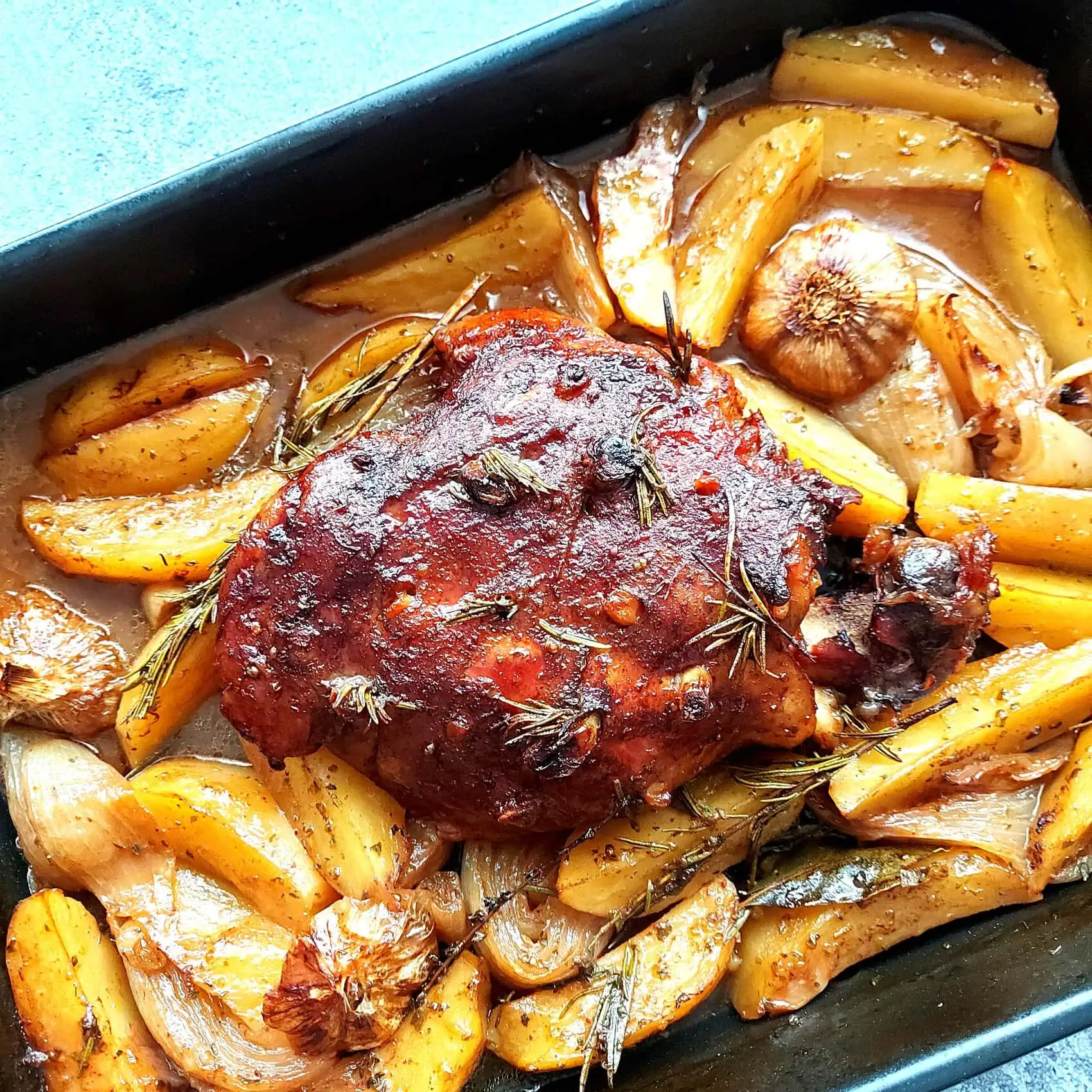
Secrets to Achieving Fall-Off-The-Bone Perfection with Slow Roasted Leg of Lamb
Imagine a grand centerpiece for your next family gathering or special celebration: a succulent leg of lamb, so tender it effortlessly falls from the bone, each bite bursting with savory flavor. This isn't just a dream – it's an easily achievable reality when you master the art of
slow cooked leg of lamb. Far from being an intimidating task reserved for seasoned chefs, this method transforms a humble cut into an unforgettable culinary experience, making it the perfect show-stopper for your Sunday roast or festive dinner.
The beauty of slow roasting lies in its simplicity and the incredible results it yields. By employing a low oven temperature over an extended period, you allow the meat's fibers to slowly break down, rendering it exquisitely tender and juicy. This gentle approach ensures maximum flavor development, making every morsel a delight. Once you experience the unparalleled deliciousness and ease of this technique, you'll be hooked – and your guests will be begging for the recipe!
Embracing the Timeless Appeal of Slow Cooked Leg of Lamb
The tradition of serving leg of lamb at significant occasions stretches back centuries, woven into the culinary fabric of diverse cultures. From its prominence in ancient Mediterranean and Middle Eastern cuisines, where lamb was a staple, to its revered status in European medieval feasts, this cut has always symbolized generosity and celebration. Historically, wealthy households would spit-roast whole lambs, often accompanied by fresh mint sauce – a pairing that remains beloved today. Over time, as lamb became more accessible, it cemented its place as a cherished dish, particularly for holidays like Easter and Christmas.
The enduring popularity of
slow cooked leg of lamb is no accident. This method honors the meat's natural qualities, ensuring it remains moist and deeply flavorful. A leg of lamb, with its ideal balance of meat and natural fat, is perfectly suited for slow cooking. The low, consistent heat slowly melts the fat, basting the meat from within, while breaking down tough connective tissues into gelatin. This process is the secret to that coveted "fall-off-the-bone" texture, making it a reliable choice for feeding a crowd and impressing even the most discerning palates.
The Essential Prep: Setting the Stage for Success
Achieving that perfect
slow cooked leg of lamb begins with thoughtful preparation.
Choosing Your Lamb
- Bone-in vs. Boneless: A bone-in leg of lamb often imparts more flavor and helps the meat cook more evenly, though a boneless leg can be easier to carve. For fall-off-the-bone, bone-in is usually preferred.
- Quality: Opt for high-quality lamb from a reputable butcher. Look for meat that is firm, with a deep red color and a decent layer of white fat.
Seasoning and Aromatics
Before it even touches the oven, your lamb deserves a generous dose of flavor.
- Rinse and Pat Dry: Always rinse your lamb under cold water and pat it thoroughly dry with paper towels. A dry surface allows for better searing and crisping.
- Score the Fat: Using a sharp knife, score the fat cap in a crisscross pattern, being careful not to cut into the meat itself. This helps the fat render, flavors penetrate, and the exterior crisp up.
- Aromatic Infusion: Create small incisions all over the lamb with a paring knife. Stuff these pockets with slivers of fresh garlic cloves and sprigs of rosemary or thyme. This infuses deep flavor from the inside out.
- Generous Seasoning: Rub the entire leg with a generous amount of coarse sea salt and freshly cracked black pepper. Consider a dusting of Mediterranean spices like oregano, cumin, or even a touch of smoked paprika for an extra layer of complexity.
Mastering the Slow Roasting Process for Tender Lamb Roast
The core of achieving an effortlessly tender lamb lies in the low and slow roasting technique.
The Roasting Method: Low, Slow, and Covered
- Preheat your Oven: Always preheat your oven to the desired low temperature – typically around 275°F (135°C). This ensures even cooking and prevents temperature fluctuations that can toughen the meat.
- Initial Roasting (Covered): Place your prepared leg of lamb in a sturdy roasting pan. Pour about 1-2 cups of liquid (such as chicken or beef stock, or even red wine) into the bottom of the pan. This creates a moist environment, preventing the lamb from drying out and contributing to a rich pan jus. Add chunky vegetables like carrots, celery, and onions around the lamb; they'll absorb the drippings and become delicious, ready for gravy. Cover the pan tightly with foil. This traps in moisture and allows the lamb to steam gently in its own juices and added liquid.
- Cooking Duration: Roast for a minimum of 4 hours, and up to 5 hours, depending on the size of your lamb and your desired doneness. The goal here is patience; the extended time at a low temperature is what guarantees that incredible tenderness.
- Basting for Flavor and Moisture: Every hour or so, carefully remove the foil and baste the lamb with the accumulated pan juices. This keeps the meat moist and helps build layers of flavor.
The Glazing Stage: Unveiling a Sticky, Flavorful Crust
For the last 30-45 minutes of cooking, remove the foil. This is when the magic of the glazed outer layer truly happens. A sweet and savory chutney marinade, as suggested in our inspiration, makes an excellent choice, creating a wonderfully sticky and caramelized crust. Other options include a mix of honey and Dijon mustard, or a balsamic glaze. Brush your chosen glaze generously over the lamb and return it to the oven uncovered to allow the exterior to crisp and caramelize.
Monitoring Doneness with a Meat Thermometer
While time is a guide, a reliable meat thermometer is your best friend for perfect results. Insert it into the thickest part of the leg, avoiding the bone.
- Rare: 125°F - 130°F (51.7°C - 54.4°C)
- Medium-Rare: 130°F - 135°F (54.4°C - 57.2°C) (will rise to 135-140°F after resting)
- Medium: 145°F - 150°F (62.8°C - 65.6°C)
- Well-Done: 150°F - 160°F (65.6°C - 71.1°C)
For that "fall-off-the-bone" texture, you're generally aiming for an internal temperature closer to well-done, allowing the collagen to fully break down. However, the slow cooking method prevents it from becoming dry.
For more in-depth guidance on perfect timing and techniques, explore our
Effortless Slow Cooked Leg of Lamb for Your Sunday Roast.
The Finishing Touches: Gravy & The All-Important Rest
Once your
slow cooked leg of lamb emerges from the oven, glistening and aromatic, there are two crucial final steps.
Crafting the Perfect Lamb Gravy
The pan drippings, stock, and roasted vegetables left in your roasting pan are pure liquid gold.
- Deglaze the Pan: Remove the lamb and set aside. Place the roasting pan on the stovetop over medium heat. Add a splash of wine or stock and scrape up all the flavorful browned bits from the bottom of the pan.
- Strain and Thicken: Strain the liquid through a fine-mesh sieve, pressing down on the vegetables to extract all their juices. Discard the solids.
- Reduce and Season: Return the strained liquid to a saucepan. Bring to a simmer and reduce slightly to intensify the flavor. For a thicker gravy, whisk in a cornstarch slurry (cornstarch mixed with a little cold water) and simmer until thickened. Taste and adjust seasoning with salt and pepper.
The Critical Resting Period
This step is non-negotiable for tender, juicy lamb. Once the lamb is out of the oven, transfer it to a cutting board and tent it loosely with foil. Let it rest for at least 15-20 minutes, or even longer for larger cuts. During this time, the internal temperature will continue to rise slightly (carryover cooking), and the muscle fibers will relax, allowing the juices to redistribute evenly throughout the meat. If you carve too soon, those delicious juices will simply run out, leaving you with drier lamb. Patience here is truly rewarded!
For more comprehensive tips on mastering tender, flavorful lamb for any occasion, check out our guide on
Master Slow Cooked Lamb: Tender & Flavorful for Any Occasion.
Conclusion
Preparing a
slow cooked leg of lamb is more than just a recipe; it's an experience in culinary delight. From its rich historical roots to the simple, yet profound, technique of low and slow roasting, every step contributes to a dish that is guaranteed to impress. The satisfaction of pulling apart tender, flavorful meat that literally falls off the bone, complemented by a rich, homemade gravy, is unmatched. It's surprisingly easy, incredibly rewarding, and promises a memorable meal that embodies warmth, tradition, and exquisite taste. So, gather your loved ones, follow these secrets, and prepare to create a truly spectacular roasted leg of lamb that will be talked about long after the plates are cleared.