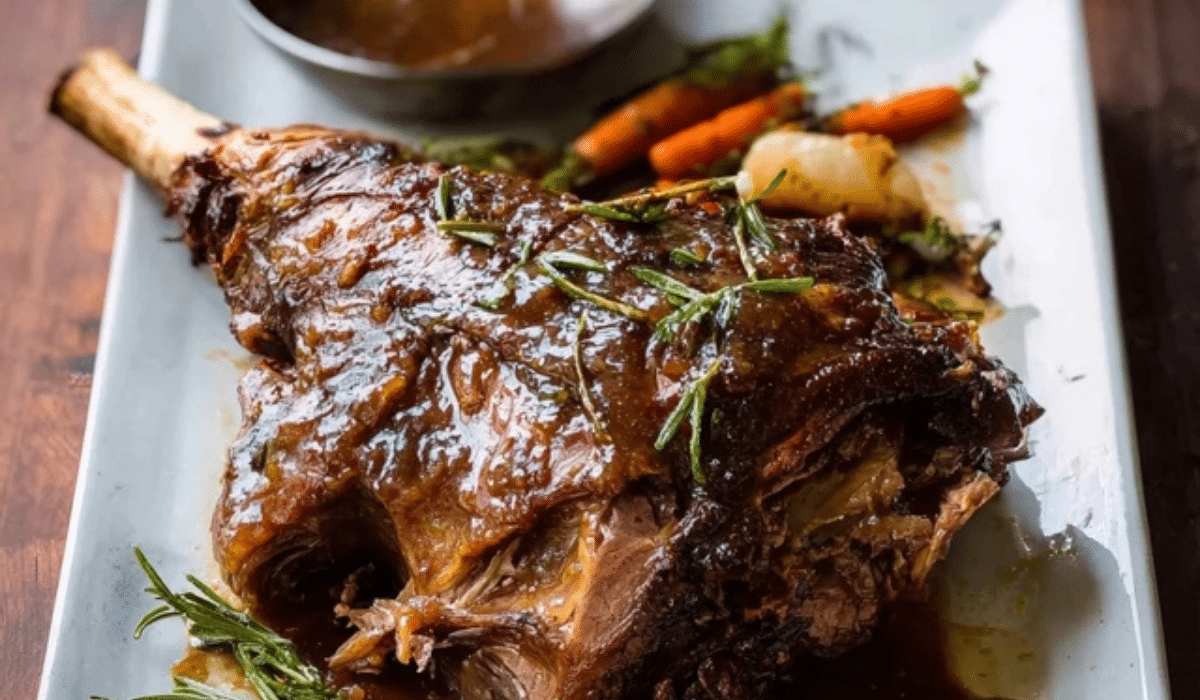
Master Slow Cooked Lamb: Tender & Flavorful for Any Occasion
There are few dishes that evoke the warmth of a family gathering or the grandeur of a holiday feast quite like a perfectly roasted leg of lamb. But move beyond the quick roast, and you discover a culinary secret that transforms this classic cut into something truly extraordinary:
Slow Cooked Leg Of Lamb. Imagine meat so tender it effortlessly falls off the bone, each bite bursting with succulent flavor, coated in a luscious, often sticky, glazed exterior. This isn't just a meal; it's an experience, surprisingly easy to achieve even for novice cooks, and guaranteed to impress your guests, leaving them craving more.
The Timeless Appeal of Slow Cooked Leg Of Lamb
The journey of lamb as a beloved culinary staple stretches back millennia, deeply embedded in the history and traditions of numerous cultures. From the sun-drenched shores of the Mediterranean to the rich tapestries of Middle Eastern cuisine, lamb has been revered for its versatility, flavor, and significance. Ancient civilizations, including the Jewish and Islamic faiths, often used lamb as a sacrificial animal in religious ceremonies, highlighting its profound cultural importance.
As centuries unfolded, lamb found its way to European tables, becoming particularly cherished in medieval England and France. Here, wealthy households would orchestrate grand feasts, often featuring an entire lamb roasted on a spit, a spectacle served with classic accompaniments like fresh mint sauce. What began as a luxury gradually became more accessible, cementing lamb's place as a favorite across various social strata.
Today, a
Slow Cooked Leg Of Lamb retains its esteemed status, often reserved for momentous occasions like Easter, Christmas, or significant family celebrations. The slow-roasting method, a time-honored tradition, is the key to unlocking the meat's deepest, most tender, and juicy flavors. It's an ideal choice for feeding a crowd, turning a simple dinner into a memorable event. This dish isn't just food; it's a connection to history, tradition, and the joy of sharing.
Unlocking Unforgettable Flavor: The Science of Slow Cooking
The magic behind a truly fall-off-the-bone tender lamb lies in the art and science of slow cooking. This method involves subjecting the meat to a low, consistent temperature for an extended duration – typically between four to five hours, or even longer depending on the size of your leg of lamb. This prolonged, gentle heat works wonders, systematically breaking down the tough connective tissues within the meat. Unlike high-heat cooking which can seize up muscle fibers, slow cooking allows them to relax and become incredibly tender, transforming even a robust cut like a leg of lamb into a succulent, melt-in-your-mouth delight. If you’re aiming for that ultimate tenderness, explore the
Secrets to Fall-Off-The-Bone Slow Roasted Leg of Lamb.
A leg of lamb is particularly well-suited for this technique due to its excellent balance of lean meat and flavorful fat. The fat slowly renders during cooking, basting the meat from within and contributing significantly to its moisture and rich taste profile. The pan juices that collect at the bottom of your roasting dish are liquid gold – a concentrated essence of lamb, herbs, and any vegetables you’ve added. These juices are indispensable for crafting a truly exceptional gravy, providing depth and savory notes that elevate the entire meal.
To elevate the flavor further, consider a strategic marinade. For instance, in the final 30-45 minutes of cooking, a vibrant chutney marinade can be brushed onto the lamb. The sugars in the chutney caramelize under the heat, forming a delicious, sticky, and slightly sweet-and-tangy glaze that adds an incredible layer of complexity to the roast. Beyond the glaze, infusing the lamb with aromatics from the start, such as fresh garlic slivers inserted into small incisions, or a rub of rosemary and thyme, will permeate the meat with fragrant notes as it slowly cooks.
Essential Tips for Your Perfect Slow Cooked Leg Of Lamb
Achieving that perfect, tender, and flavorful
Slow Cooked Leg Of Lamb is straightforward with a few key techniques. Here’s how to ensure your roast is a resounding success:
Choosing and Preparing Your Lamb
- Select Your Cut: A bone-in leg of lamb often imparts more flavor due to the bone marrow, but a boneless leg is easier to carve. Look for good marbling – streaks of fat throughout the meat – which indicates a juicier, more flavorful roast.
- Season Generously: Before roasting, pat the lamb dry. Score the fatty cap lightly with a sharp knife in a diamond pattern to help the fat render and allow seasonings to penetrate. Rub generously with coarse salt, freshly cracked black pepper, and your chosen herbs like rosemary, thyme, or oregano. You can also insert garlic slivers into small cuts in the meat for internal flavoring.
- Preheat Your Oven: Always preheat your oven to the desired low temperature (e.g., 275°F / 135°C) before placing the lamb inside. This ensures even cooking from the moment it enters the oven and prevents the meat from drying out prematurely.
Mastering the Roasting Process
- Cover with Foil: For the initial stages of slow roasting, cover the lamb loosely with aluminum foil. This creates a steamy environment, trapping moisture and allowing the lamb to cook in its own juices, which contributes to its incredible tenderness and prevents the outer layer from drying out before the interior is done.
- Baste for Flavor: Every hour or so, remove the foil and baste the lamb with the accumulated pan juices. Use a spoon or a basting brush to coat the meat. This process helps keep the lamb moist, infuses it with more flavor, and promotes an even, golden-brown crust.
- The Glaze Factor: If using a glaze (like a chutney marinade), apply it during the last 30-45 minutes of cooking. Remove the foil, brush the lamb generously, and return it to the oven uncovered to allow the glaze to caramelize and become deliciously sticky.
Precision and Doneness
- Use a Meat Thermometer: This is your most crucial tool for ensuring the lamb is cooked to your desired level of doneness without guessing. Insert the thermometer into the thickest part of the meat, avoiding the bone.
- Understand Doneness Levels:
- Rare: 125°F - 130°F (51.7°C - 54.4°C) - Very red center, cool.
- Medium-Rare: 130°F - 135°F (54.4°C - 57.2°C) - Red center, warm.
- Medium: 135°F - 140°F (57.2°C - 60°C) - Pink center, warm.
- Well-Done: 150°F - 160°F (65.6°C - 71.1°C) - Cooked through, minimal pink.
For slow-cooked lamb, aiming for medium-rare to medium often yields the most tender and juicy results, even with the longer cooking time.
- Rest the Lamb: This step is non-negotiable. Once the lamb reaches your desired internal temperature, remove it from the oven, loosely tent it with foil, and let it rest for at least 15-20 minutes before carving. Resting allows the muscle fibers to relax and reabsorb the juices, ensuring a more tender, succulent slice.
Crafting the Perfect Gravy
While the lamb rests, you have the perfect opportunity to make an incredible gravy. Simply pour off most of the fat from the roasting pan, leaving the delicious lamb juices and any browned bits (fond). Place the pan over a stovetop burner, add some stock (chicken, beef, or vegetable), and perhaps a splash of red wine. Scrape up all the flavorful bits from the bottom of the pan as it simmers. Thicken with a cornstarch slurry if desired, then strain for a silky-smooth gravy that truly embodies the essence of your roast.
Serving Suggestions and Pairings for Your Masterpiece
A perfectly prepared
Slow Cooked Leg Of Lamb deserves equally exquisite accompaniments to complete the dining experience. For a classic Sunday roast, consider serving it alongside crispy roasted potatoes, which can often be cooked in the same oven (perhaps at a slightly higher temperature during the last hour), and a medley of seasonal vegetables such as glazed carrots, steamed green beans, or tender asparagus. Fluffy Yorkshire puddings also make a wonderful addition. If you're planning your next family meal, an
Effortless Slow Cooked Leg of Lamb for Your Sunday Roast is always a hit.
Traditional condiments like a vibrant mint sauce or a rich redcurrant jelly provide a delightful contrast to the richness of the lamb. For wine connoisseurs, robust red wines such as a Cabernet Sauvignon, Merlot, or a structured Pinot Noir will beautifully complement the savory flavors of the lamb. Whether it's a casual family dinner or a festive holiday celebration, this dish adapts seamlessly, offering comfort and sophistication in equal measure.
Conclusion
Embarking on the journey of slow cooking a leg of lamb is an incredibly rewarding culinary adventure. It's a method that promises not just a meal, but a masterpiece – a centerpiece dish that speaks of care, tradition, and profound flavor. With its melt-in-your-mouth tenderness, rich aroma, and luscious glaze, a
Slow Cooked Leg Of Lamb transcends being merely food; it becomes the heart of your gathering, creating lasting memories around the table. So, don't be intimidated by the long cooking time; the effort is minimal, and the rewards are immeasurable. Prepare to delight your senses and impress your loved ones with this truly unforgettable dish.