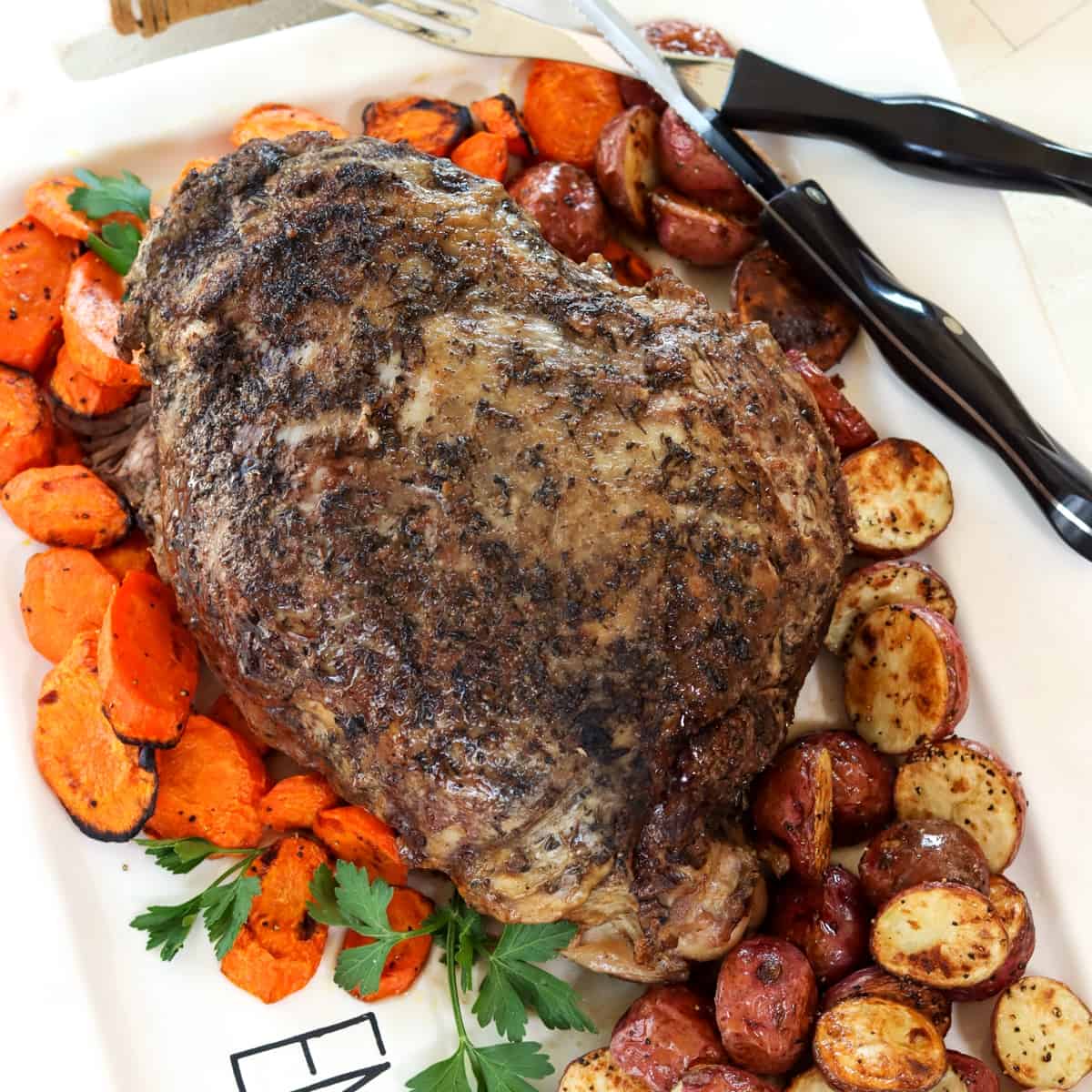
Effortless Slow Cooked Leg of Lamb for Your Sunday Roast
Imagine a Sunday afternoon, filled with the comforting aroma of a succulent roast lamb slowly cooking to perfection. Picture tender meat, so soft it literally falls off the bone, enveloped in a rich, flavourful glaze. This isn't just a dream; it's the reality of preparing a slow cooked leg of lamb. Forget the stress often associated with grand roasts; this method promises an impressive, mouth-watering centrepiece with surprisingly minimal effort, making it the ideal choice for your next family gathering or a special Easter feast.
Why Slow Cooked Leg of Lamb is a Sunday Roast Game Changer
The magic of slow cooking transforms a humble leg of lamb into a culinary masterpiece. By roasting it at a low oven temperature for an extended period – typically 4 to 5 hours – the meat undergoes a remarkable metamorphosis. The tough connective tissues, particularly collagen, slowly break down, rendering the lamb incredibly tender and juicy. This process ensures that every bite is bursting with flavour, from the beautifully glazed outer layer to the succulent inner meat. The result? A fall-off-the-bone tenderness that will leave your guests utterly impressed and begging for your secret.
Beyond the undeniable deliciousness, the true beauty of a slow cooked leg of lamb lies in its hands-off nature. Once prepared and in the oven, it largely takes care of itself, freeing you up to enjoy quality time with loved ones, prepare accompanying side dishes, or simply relax. It’s a dish that delivers maximum impact for minimal stress, perfectly embodying the spirit of a relaxed and joyous Sunday roast.
A Timeless Tradition: The Rich History of Leg of Lamb
The leg of lamb is more than just a meal; it's a dish steeped in history and cultural significance, cherished across centuries and continents. Its origins can be traced back to ancient times, forming a staple in Mediterranean and Middle Eastern cuisines where lamb was valued for its wool, milk, and meat. Historically, it held sacred importance, often featuring as a sacrificial animal in religious ceremonies for faiths such as Judaism and Islam.
As centuries passed, lamb's popularity spread to Europe, becoming a beloved meat in the Middle Ages, particularly in England and France. Wealthy households would famously roast entire lambs on a spit, often serving them with a refreshing mint sauce – a tradition that subtly echoes in modern lamb preparations. Over time, as lamb became more accessible, it cemented its place as a favourite, evolving into the special occasion dish we know today. Whether it's the centrepiece of an Easter dinner, a festive Christmas celebration, or simply a cherished Sunday gathering, slow-roasting a leg of lamb is a method that honours this rich heritage, bringing out its deepest flavours and ensuring it remains a dish perfect for sharing with a crowd.
Mastering the Art of Slow Roasting for Unforgettable Tenderness
Achieving that coveted fall-off-the-bone tenderness with your slow cooked leg of lamb is surprisingly straightforward. It primarily hinges on a few key principles:
Preparation is Key
- Scoring and Seasoning: Before roasting, consider scoring the fatty side of the lamb leg in a diamond pattern. This helps the fat render more effectively and allows your seasonings to penetrate deeper. Rub generously with a mixture of salt, freshly ground black pepper, crushed garlic, and fresh herbs like rosemary and thyme.
- Aromatics in the Pan: Placing chunky vegetables like carrots, onions, and celery under the lamb in the roasting pan not only prevents the lamb from sticking but also infuses the drippings with incredible flavour, forming the foundation for an exquisite gravy.
The Science of Low and Slow
Slow cooking requires patience, but the rewards are immense. Preheat your oven to a consistent low temperature, typically around 300°F (150°C). This gentle heat allows the meat's collagen to slowly melt into gelatin, resulting in unparalleled tenderness. For the initial cooking phase, covering the lamb with foil helps to trap moisture, creating a steamy environment that prevents the meat from drying out and encourages it to cook in its own flavourful juices.
Temperature Control for Perfect Doneness
A reliable meat thermometer is your best friend when roasting a leg of lamb. While slow cooking is forgiving, checking the internal temperature ensures your lamb reaches your desired level of doneness:
- Rare: 125°F - 130°F (51.7°C - 54.4°C)
- Medium-Rare: 130°F - 135°F (54.4°C - 57.2°C) - Often preferred for its juicy, pink interior.
- Medium: 135°F - 140°F (57.2°C - 60°C)
- Well-Done: 150°F - 160°F (65.6°C - 71.1°C)
Insert the thermometer into the thickest part of the meat, avoiding the bone. Remember, the temperature will rise a few degrees even after removing the lamb from the oven.
Basting and Resting: Crucial Steps
- Basting: During the cooking process, especially after removing the foil, periodically baste the lamb with its own pan juices. This keeps the meat moist and helps develop a beautiful, flavourful crust.
- Resting: Once your lamb reaches the desired internal temperature, remove it from the oven and cover it loosely with foil. Allow it to rest for at least 15-20 minutes before carving. This critical step allows the juices to redistribute throughout the meat, ensuring every slice is incredibly tender and moist. Skipping this step often leads to dry lamb, as the juices escape upon carving.
Elevating Your Roast: Glazes, Gravy & Garnishes
While the slow cooking process does most of the heavy lifting, a few finishing touches can truly elevate your slow cooked leg of lamb to extraordinary heights.
The Irresistible Chutney Glaze
For the final 30-45 minutes of cooking, apply a delicious chutney marinade to your lamb. This creates a wonderfully sticky, sweet, and savoury glaze that adds an incredible layer of flavour and a beautiful caramelised finish. Experiment with different chutneys – mango, apricot, or a spicy tomato chutney can all offer unique and delightful results. Alternatively, a simple honey-mustard or balsamic reduction glaze can also work wonders.
The Perfect Pan Gravy
No Sunday roast is complete without a rich, flavourful gravy. The drippings left in your roasting pan are a treasure trove of flavour. Simply strain them, skim off excess fat, and use these concentrated juices, combined with a little stock and a thickening agent (like cornflour slurry or a roux), to create a velvety smooth gravy. The roasted vegetables added beneath the lamb earlier will have contributed significantly to the depth of this delicious sauce.
Serving with Style
Once rested and carved, present your slow cooked leg of lamb with pride. Surround it with classic Sunday roast accompaniments such as crispy roasted potatoes, seasonal greens, honey-glazed carrots, and perhaps some light and airy Yorkshire puddings. A sprinkle of fresh herbs like parsley or mint can add a vibrant touch and a hint of freshness.
Conclusion
Preparing an effortless slow cooked leg of lamb for your Sunday roast is a culinary experience that combines ease with elegance. It’s a guaranteed crowd-pleaser, delivering fall-off-the-bone tenderness and rich, unforgettable flavours with minimal hands-on time. From its ancient origins to its place at modern family tables, this dish continues to captivate and satisfy. So, take the plunge, embrace the low and slow method, and prepare to be hooked on the sheer delight of a perfectly roasted leg of lamb – the ultimate centrepiece for any special occasion or simply a cherished family meal.